
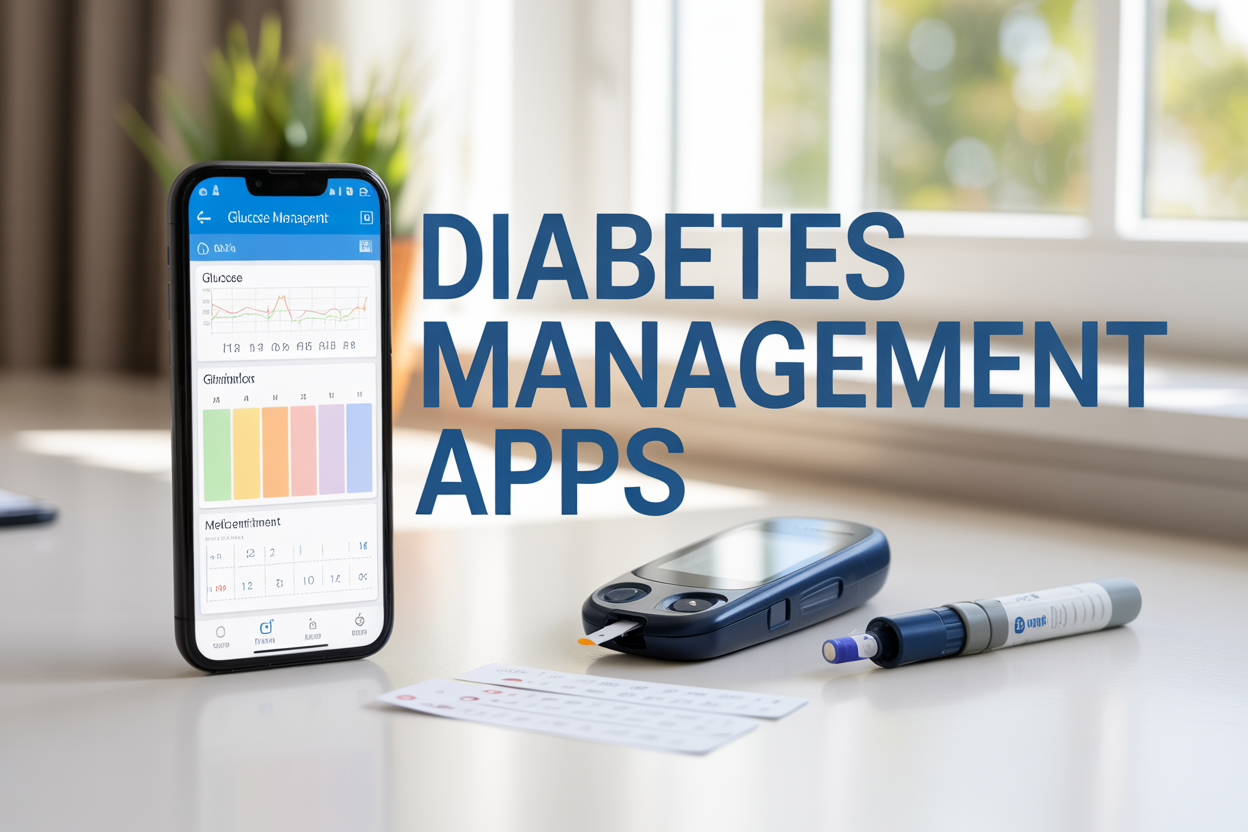
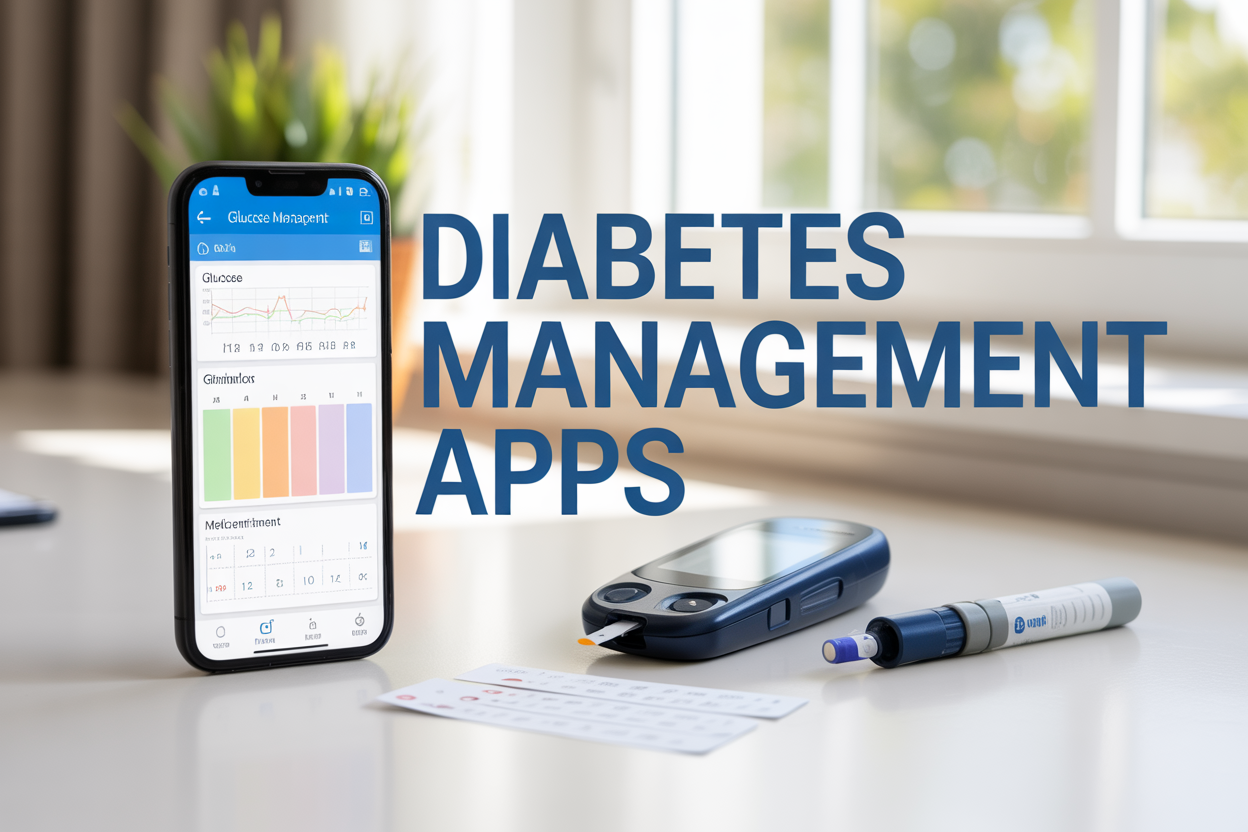
Smartphone tools have made day-to-day diabetes care noticeably simpler. Diabetes management apps now let people with Type 1 and Type 2 diabetes log blood sugar, keep tabs on insulin doses, and make better-informed health decisions in real time.
This rundown is aimed at anyone with diabetes who wants technology to take some of the weight off self-care, whether you were diagnosed last month or have been at this for decades. The right app can streamline your routine and, over time, move the needle on your health outcomes.
Below, we cover the features that actually matter in a blood glucose monitoring app, point out which best diabetes apps 2024 reliably deliver accurate tracking and useful insight, and dig into affordable diabetes monitoring solutions – including free diabetes management tools capable of holding their own against paid alternatives.
Essential Features That Transform Daily Diabetes Care
Real-Time Blood Glucose Monitoring Integration
The strongest diabetes management apps sync automatically with your glucose meter, cutting out manual data entry entirely. Top blood glucose monitoring apps work across multiple device brands and surface trend analysis instantly, so patterns show up before they turn into problems. Alerts flag dangerous highs or lows as they happen, and predictive algorithms gradually learn how your body responds to food, exercise, and stress.
Comprehensive Insulin and Medication Tracking
Insulin tracking apps do more than log doses these days – they calculate insulin-on-board, suggest correction doses, and track injection sites to help prevent lipodystrophy. Many also include carb counting databases with restaurant menu data, bolus calculators tuned to your insulin-to-carb ratio, and medication reminders that stay in sync across devices. The best diabetic tracking applications go a step further, linking up with fitness trackers to connect activity levels with insulin needs.
Personalized Analytics and Pattern Recognition
The best diabetes care mobile apps turn raw numbers into something usable, using machine learning to identify glucose patterns specific to you. Over weeks and months, these platforms build reports showing exactly how food, activity, and stress move your blood sugar. Some go further still, flagging potential complications and suggesting lifestyle tweaks based on your history – making them useful for patients and healthcare providers alike.
Healthcare Provider Communication Tools
Many best diabetes apps 2024 include secure messaging that lets you send glucose logs, medication changes, and questions straight to your endocrinologist. Telemedicine integration is increasingly common too, enabling virtual visits with data shared in real time. When it’s time for an export, these apps generate reports in the formats providers actually want, which speeds up appointments and keeps care coordinated between visits.
Top-Rated Apps That Deliver Proven Results
Leading Diabetes Management Apps of 2024
Among this year’s best diabetes apps 2024, MySugr stands out for pairing full blood glucose monitoring app functionality with a gamified approach that makes daily tracking feel less like a chore, while still handing detailed analytics to healthcare providers. Glucose Buddy leans into insulin tracking app capability alongside meal logging and medication reminders. Diabetic Connect takes a different angle, pairing social networking with solid diabetic tracking applications to build supportive communities for people managing Type 1 and Type 2 diabetes.
Clinical-Grade Tracking Solutions
One Drop is a good example of a diabetes care mobile app built around an FDA-approved glucose meter app, paired with real-time coaching from certified diabetes educators and support for multiple glucose monitors. Dexcom G6 takes a different approach to continuous glucose monitoring, removing fingerstick calibrations entirely while still offering customizable alerts and trend data. Clinical studies back up the value here too – these diabetes management apps have shown measurable improvements in HbA1c levels.
User Experience Champions
Cost doesn’t have to be a barrier – free diabetes management tools like Diabetes:M offer comprehensive tracking with no subscription required, and the carbohydrate databases, insulin calculators, and reporting functions hold up well against paid competitors. BlueLoop, built by the Juvenile Diabetes Research Foundation, is worth a specific mention for pediatric diabetes management, with parent-friendly interfaces and tools for communicating with schools. Across the board, these diabetic lifestyle apps lean into intuitive design without sacrificing the clinical accuracy that long-term management demands.
Cost-Effective Solutions for Every Budget
Free and Premium Options That Actually Work
Budget doesn’t have to limit the quality of care here – several free diabetes management tools already deliver professional-grade tracking. MySugr’s free tier covers the essentials of blood glucose logging, and Glucose Buddy provides full insulin tracking app functionality at no cost. If you want more, Diabetes:M Pro ($2.99) and BlueLoop Plus ($4.99) unlock deeper analytics and family sharing for a small fee. Many affordable diabetes monitoring solutions also sync directly with popular glucose meters, so there’s no double-entry involved. Most people do fine with basic logging, but if you need serious carb counting or trend analysis, the premium diabetic tracking applications tend to cost less than a coffee run each month.